
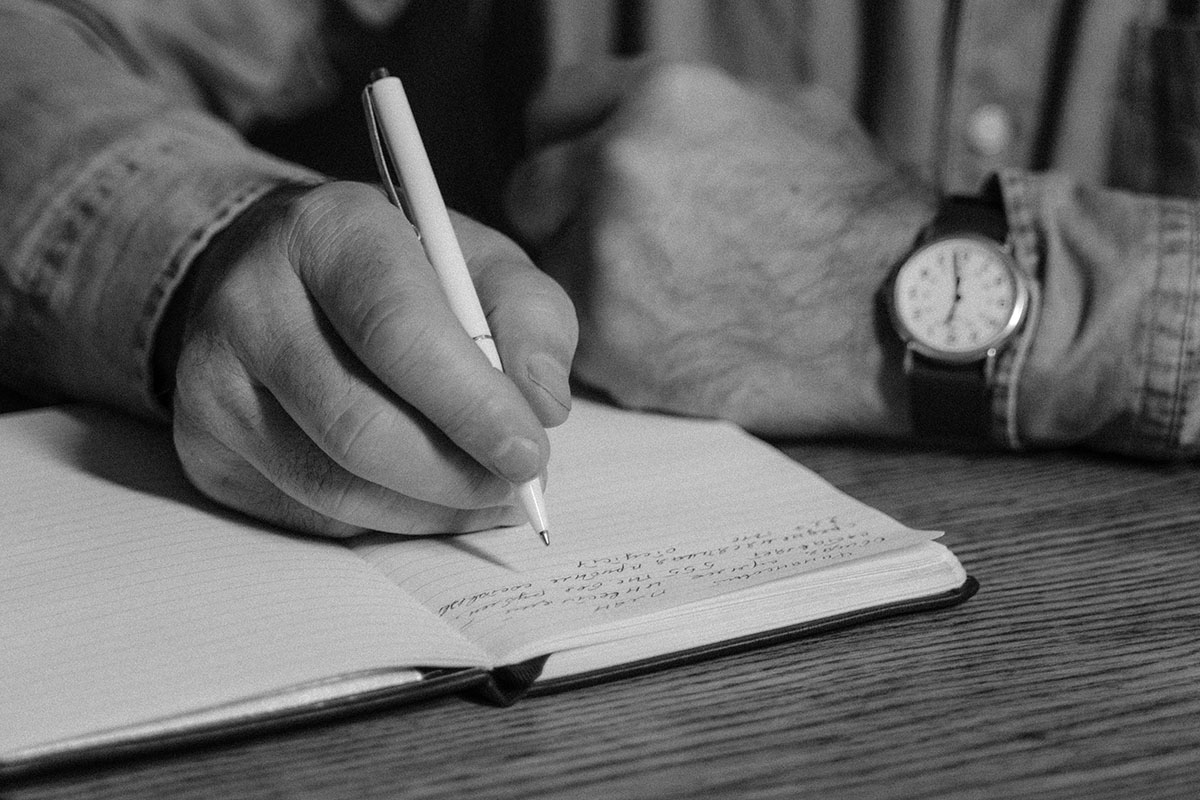
There’s something quietly radical about sitting down with a blank page and deciding to tell the truth.
Not the polished truth you post online. Not the diplomatic truth you offer at meetings. I’m talking about the unfiltered, slightly messy, occasionally contradictory truth that lives in your own head. The kind that only comes out when there’s a pen in your hand and nobody looking over your shoulder.
Journal keeping isn’t just a quaint habit from the days of locked diaries and dramatic teenage poetry. It’s a practical, powerful tool for clarity and self-reflection. In a world that moves at breakneck speed, journaling is how you pull into the rest stop, stretch your legs, and ask, “Wait… where am I actually going?”
Clarity Begins with a Question
Most of us carry around a mental junk drawer. It’s filled with half-formed ideas, worries we haven’t examined, goals we haven’t defined, and conversations we’re still replaying. When everything stays in your head, it tends to swirl together into one big, noisy blur.
Writing slows the swirl.
When you put thoughts on paper, you transform vague feelings into language. And language creates structure. Suddenly, what felt like “everything is overwhelming” becomes:
That’s not “everything.” That’s three specific things. And specific things can be addressed. A simple daily question like, “What’s really bothering me today?” or “What do I want more of in my life?” can open doors you didn’t know were closed.
The Page Doesn’t Judge
One of the hidden benefits of journaling is psychological safety. The page doesn’t interrupt you. It doesn’t correct you. It doesn’t raise an eyebrow.
You can admit:
There is extraordinary clarity in honesty. When you stop pretending—even to yourself—you start seeing patterns. Maybe you’re consistently drained after certain commitments. Maybe you light up when you write about a particular dream. Maybe you notice that the same fear keeps resurfacing in different forms.
Patterns are gold. They show you where growth is calling.
Reflection Turns Experience into Wisdom
Life teaches lessons. Reflection helps you actually learn them.
Without reflection, experiences blur together. With reflection, they become data. And data—when examined—becomes insight.
After a challenging situation, try writing:
This isn’t about self-criticism. It’s about self-awareness. Athletes review game footage. Professionals conduct after-action reports. Why shouldn’t we do the same with our own lives?
Self-reflection builds emotional intelligence. It strengthens decision-making. It deepens self-trust. And over time, it turns “I always mess this up” into “Here’s what I’m learning.”
That shift is powerful.
Journaling for Direction
Clarity isn’t only about processing the past. It’s also about designing the future.
Try writing from your future self’s perspective:
When you describe the life you want in concrete terms, your brain begins to look for alignment. You become more intentional. Opportunities that match your vision stand out more clearly.
And sometimes, journaling reveals a surprising truth: you’re already closer than you thought.
Keep It Simple (and Sustainable)
You don’t need a leather-bound notebook or a poetic writing style. You need consistency more than elegance.
Here are a few approachable formats:
Five to ten minutes is enough. The goal isn’t literary brilliance. The goal is awareness.
And here’s the hopeful part: awareness changes things.
When you consistently observe your thoughts, you begin to choose them more deliberately. When you identify your emotional triggers, you respond more thoughtfully. When you articulate your goals, you pursue them more confidently.
You become less reactive and more intentional.
A Conversation with Yourself
At its heart, journal keeping is a relationship—with yourself.
It’s where you celebrate small wins. It’s where you untangle doubts. It’s where you dare to write down the big, slightly scary dreams.
Over time, those pages become evidence. Evidence of growth. Evidence of resilience. Evidence that you are evolving—even on days when it doesn’t feel like it.
Clarity doesn’t arrive all at once like a lightning bolt. It accumulates, quietly, through honest moments on the page.
So tonight, or tomorrow morning, open a notebook. Ask a real question. Answer it honestly.
You may be surprised by how much wisdom has been waiting patiently inside you—just hoping for a little uncommon sense and a blank page.





Get cutting-edge tips, resources, and perspectives: