Some time ago, I came across a statement by one Molly McNearney in which she reportedly lamented that political differences had become so severe that she had effectively terminated relationships with some members of her own family. Who is Molly McNearney? She is the Executive Producer and co-head writer of Jimmy Kimmel Live. She is also Jimmy Kimmel’s wife. While on a podcast on November 6, 2025, she said the following: “To me, them voting for Trump is them not voting for my husband and me and our family. And I unfortunately have kind of lost relationships with people in my family because of it.”
To put her comments in context, this took place shortly after Jimmy Kimmel lied on national television and said that the man who assassinated Charlie Kirk was part of the MAGA movement (meaning it was Donald Trump and the Republicans who were behind Charlie Kirk’s murder, not the Radicalized Leftists who are within the Democratic Party – which is the complete opposite of the truth.)
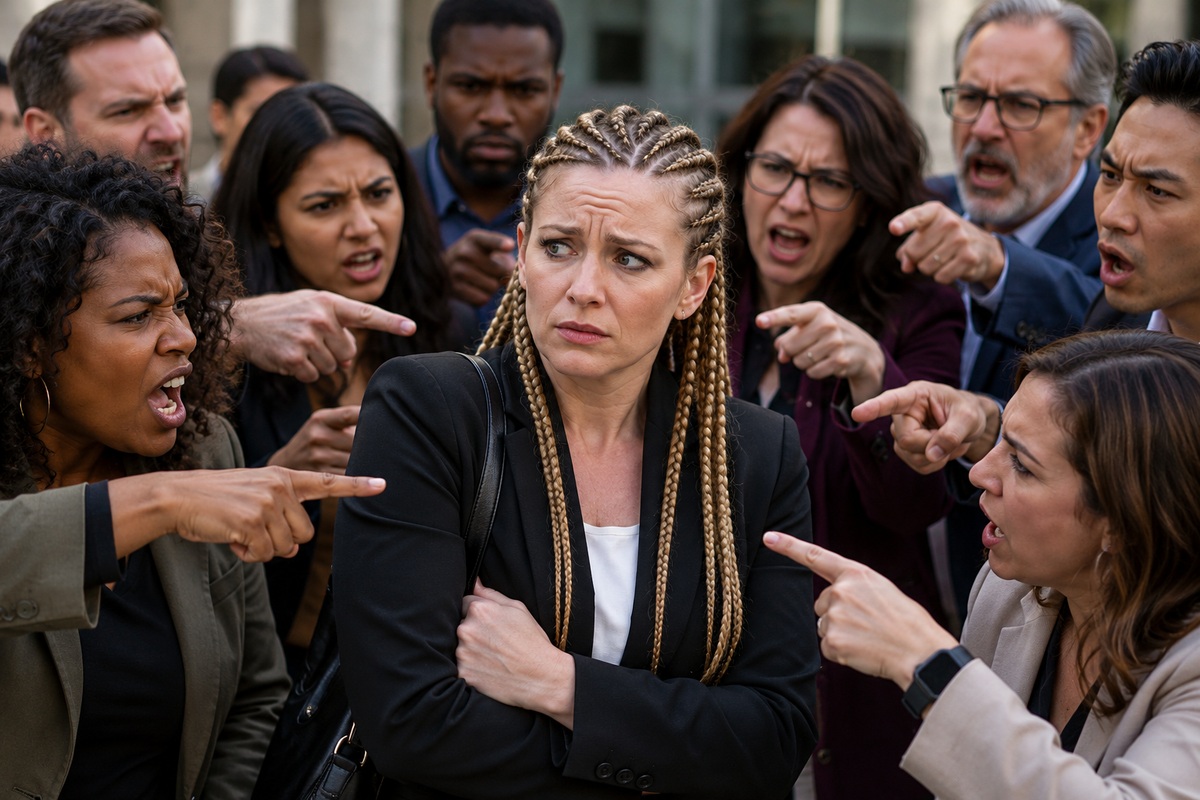
My primary purpose in bringing this up is not to criticize her. In fact, I suspect she was expressing something many Americans are experiencing. Families are strained. Friendships have fractured. Holiday dinners have become minefields. Political disagreements that once seemed manageable now feel existential. (In fact, when Donald Trump was first elected President of the United States for the 2016 Presidential Election, a reasonably close friend of mine told me that all people who voted for Trump in that election – including me – deserved death. She was serious. She admitted it without shame.)
The question is: Why is that happening?
Political disagreements are nothing new. Americans argued fiercely over slavery, wars, taxes, labor unions, civil rights, and countless other issues long before social media ever existed. Yet most people still found ways to maintain family relationships despite those disagreements.
Something feels different today. It’s palpable. And although I do not pretend to know for certainty what is driving this, I do sense that one possible explanation is that politics has ceased being merely political.
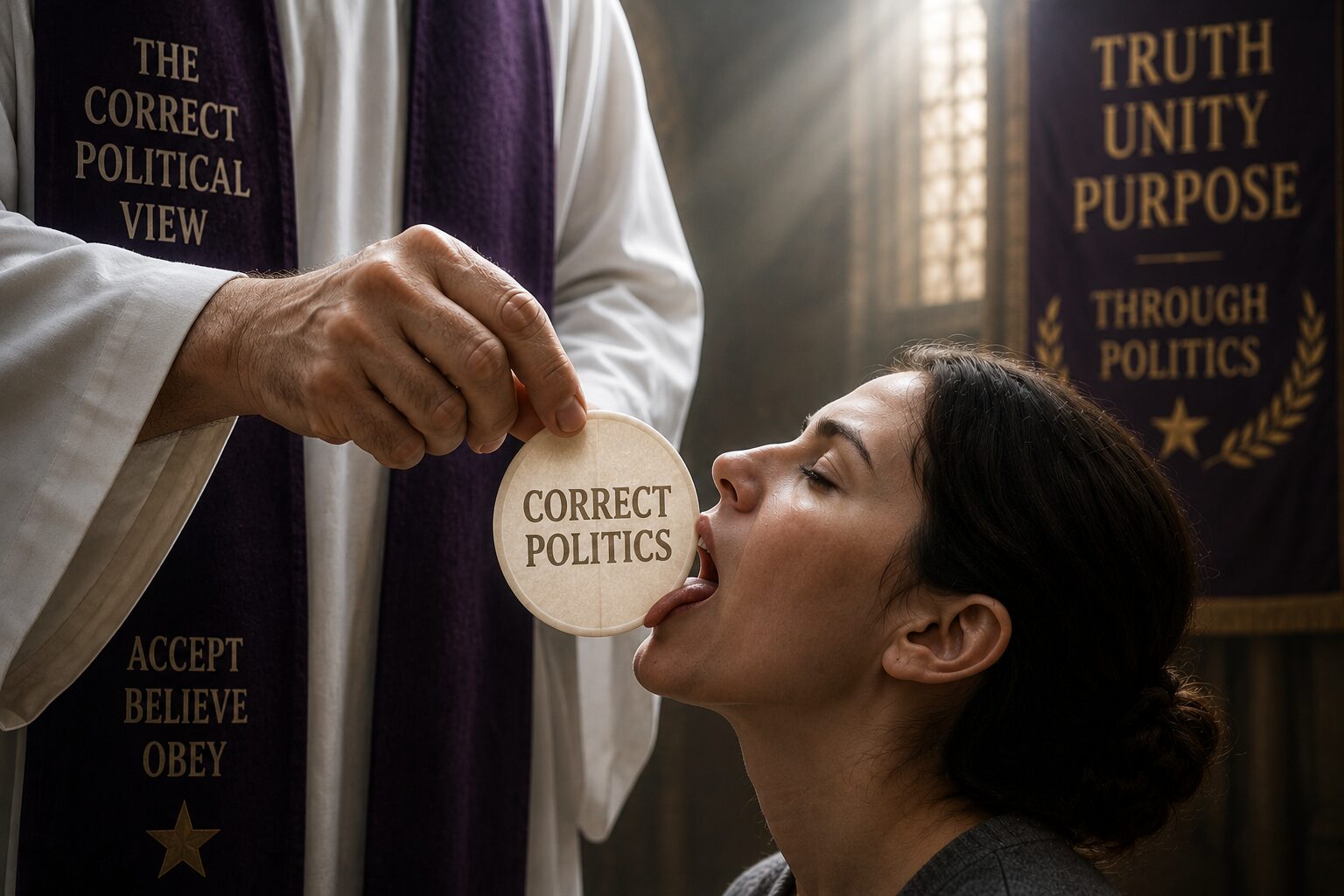
For many people, politics has become a source of identity. It has become the lens through which they interpret the world, evaluate morality, determine virtue, and identify friend from foe. In short, politics has begun performing some of the functions that religion once performed.
When that happens, disagreement is no longer viewed as a difference of opinion. It becomes a form of heresy.
If someone disagrees with your tax policy, that’s one thing.
If someone disagrees with what you regard as sacred truth, that’s something else entirely.
The result is predictable. Political opponents cease being mistaken and become morally defective. Family members cease being relatives and become representatives of the “other side.” Conversations become impossible because every disagreement feels like a threat to one’s identity.
This is a dangerous development.
A healthy society requires institutions that are stronger than politics. Family is one of those institutions.
Your brother is still your brother even if he votes differently than you do.
Your daughter is still your daughter even if she watches different news programs.
Your cousin is still your cousin even if he posts things on social media that drive you crazy.
Family relationships are meant to exist on a deeper plane than partisan disputes.
That doesn’t mean there are no limits. Some relationships become genuinely toxic. Some individuals behave abusively. Boundaries are sometimes necessary and wise.
But political disagreement alone should not automatically qualify someone for exile from the family circle.
One of the marks of maturity is the ability to love and/or respect people whose opinions differ from our own. In fact, that may be one of the most important skills a free society requires.
Democracy was never intended to create agreement. It was intended to allow people who disagree to live together peacefully.
That principle begins not in Washington, D.C., but around the dinner table.
Perhaps the real challenge of our age is learning to remember that the people sitting across from us are not political avatars. They are human beings. They are fathers and mothers, sons and daughters, brothers and sisters.
And if politics causes us to forget that, then politics has begun occupying a place in our lives that it was never meant to occupy.
When politics becomes more important than family, it has stopped being a civic interest and started becoming a religion (and, to be clear, I say this as a person who is a strong believer in religion.) And history suggests that political religions rarely bring people together. More often, they tear them apart.
Food for thought. . .
And that, my friends, is the latest elephant in the room.


Get cutting-edge tips, resources, and perspectives: