
I have occasionally wondered how many things I might have done in life if I hadn’t been afraid to do them.
Probably quite a few.
Fear is one of nature’s better inventions. It keeps us from petting rattlesnakes, investing our retirement funds in Nigerian princes, and saying certain things to our wives that—while technically true—need never be spoken aloud.
But fear has a design flaw: it cannot always distinguish danger from discomfort.
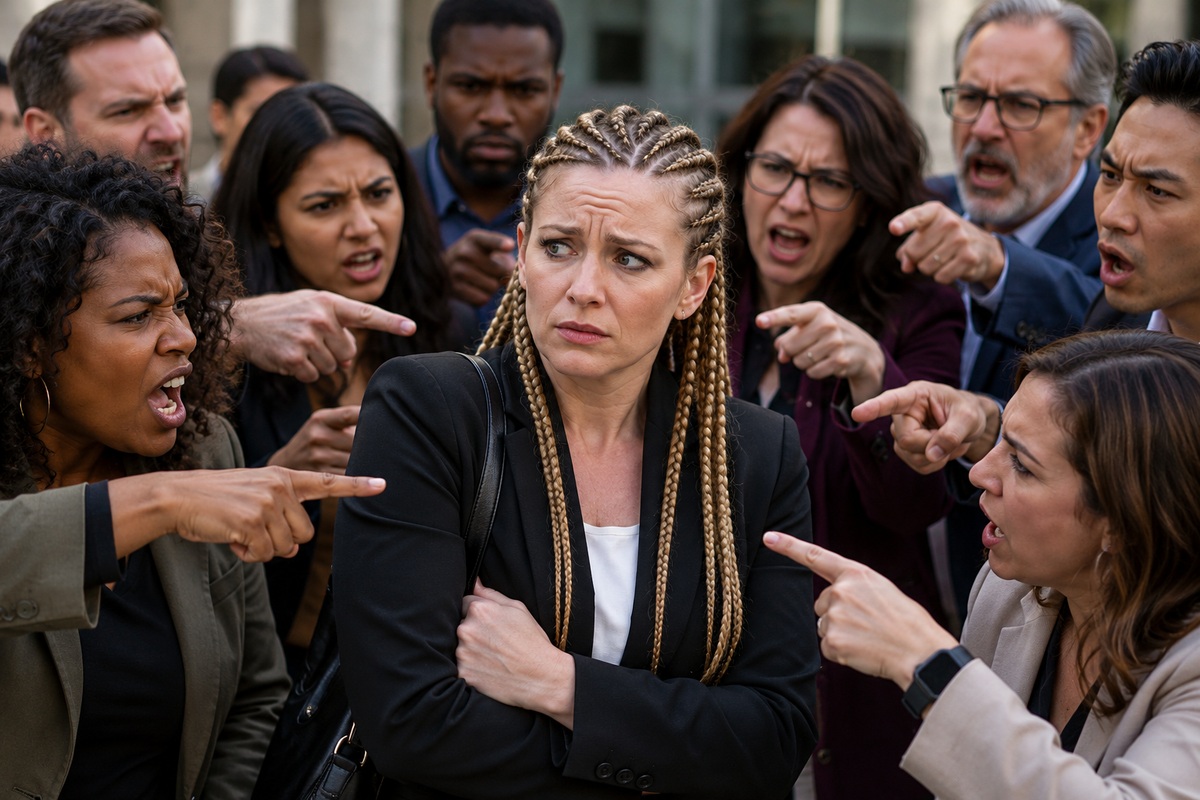
Starting a business is risky. Falling in love is risky. Changing careers is risky. Moving someplace new is risky. Standing before an audience is risky. Telling someone what you really think—or how you really feel—can be terrifying.
Yet the alternative carries risks of its own.
There is the risk of remaining in a job you hate. The risk of never discovering what you might have accomplished. The risk of allowing an important relationship to wither because neither person was willing to say what needed saying. The risk of arriving late in life with an impressive collection of things you almost did.
Perhaps that is the mistake we make. We ask, “What might happen if I do this?” but seldom ask, “What might happen if I don’t?”
Courage is not recklessness. Some risks are patently foolish, and wisdom occasionally consists of knowing when to run like the building is on fire.
But courage also isn’t fearlessness. Courage is the ability to acknowledge fear, calculate the risk, consider the consequences—and then move forward when something worthwhile is on the other side.
At this stage of life, I increasingly suspect that some of our greatest regrets are not the times we took a reasonable chance and failed.
They are the times fear made the decision for us.



Get cutting-edge tips, resources, and perspectives: